
You rely on your Lab centrifuge for consistent, precise results, so keeping it in top shape is vital. Regular maintenance and timely calibration aren’t just routine tasks—they directly impact performance and safety. If you want to avoid unexpected downtime or costly repairs, understanding how to inspect, clean, and calibrate your equipment properly is necessary. But what specific steps should you take to guarantee your centrifuge stays reliable and accurate?
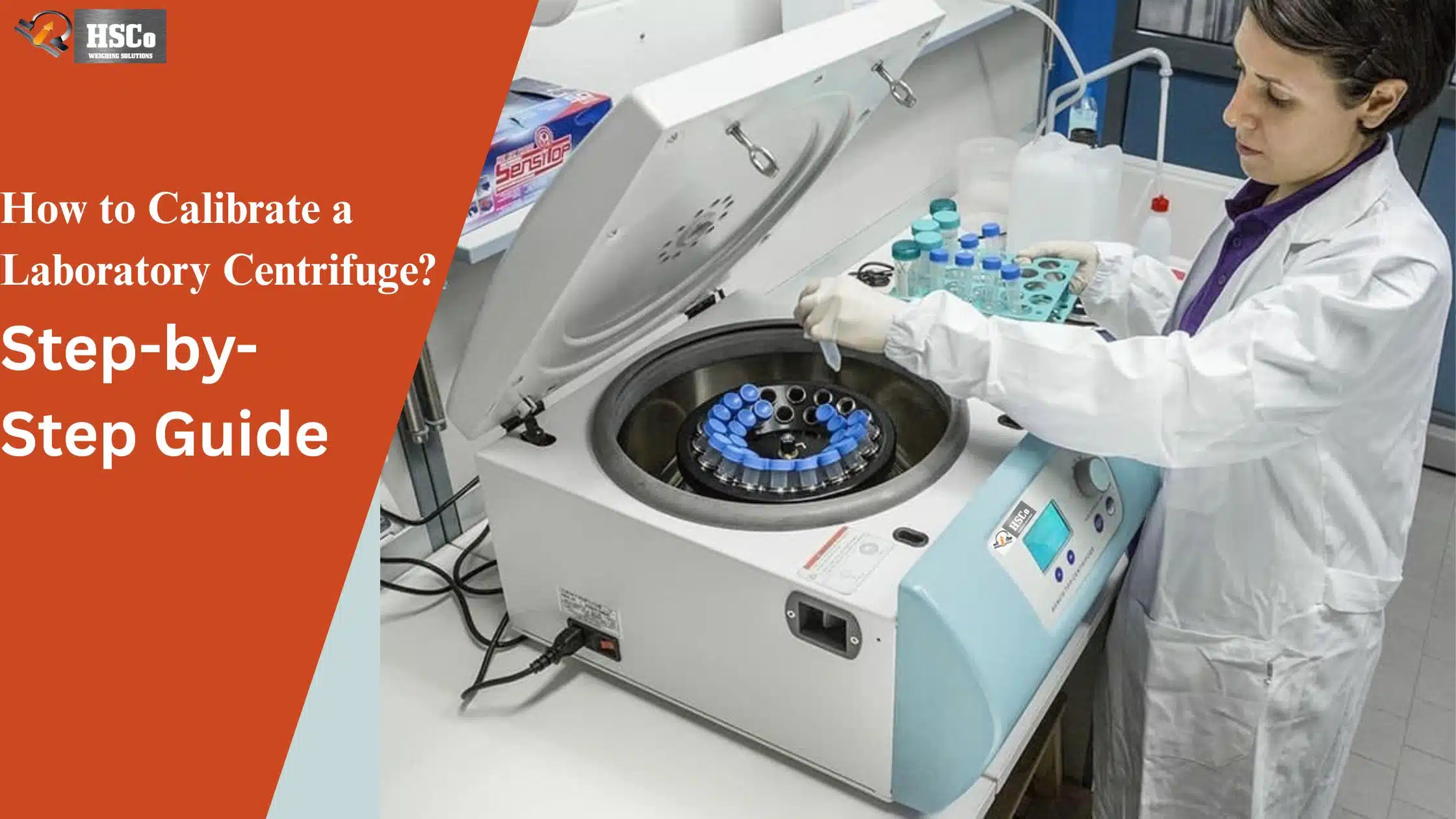
How To Perform Routine Cleaning And Inspection On Your Lab Centrifuge
Before each use, you should clean and inspect your lab centrifuge to guarantee it operates safely and efficiently. Start by wiping down the rotor chamber and exterior with a mild detergent and a soft cloth to remove any residue or spills.
Check the rotor carefully for signs of corrosion, cracks https://laballiance.com.my/, or damage. Make sure the rotor locks securely in place and that the lid latch functions smoothly. Verify that the seals and gaskets are intact to prevent leaks.
Don’t forget to inspect the power cord and controls for any wear or malfunction. By performing these quick, routine checks, you ensure your centrifuge runs reliably, protecting your samples and giving you the freedom to focus on your work without unexpected interruptions.
When And How To Calibrate Your Lab Centrifuge
Although regular cleaning keeps your centrifuge in good condition, you also need to calibrate it periodically to guarantee accurate speeds and performance. Calibration ensures your results stay reliable, so schedule it every six months or after any repair.
Start by checking the rotor speed with a trusted tachometer. Compare its reading to your centrifuge’s display. If there’s a discrepancy, adjust the speed settings following your model’s manual.
Also, verify the temperature control if your centrifuge has cooling features.
Keep a log of each calibration, noting date, adjustments, and results. This practice gives you freedom from guesswork and reassures your data’s integrity.
Troubleshooting Common Lab Centrifuge Issues
Regular calibration keeps your centrifuge running smoothly, but even well-maintained machines can encounter issues. If it vibrates excessively, check for unbalanced loads or damaged rotors.
Overheating often points to blocked vents or a failing motor cooling system—clean vents regularly and guarantee proper airflow.
If the centrifuge won’t start, verify the power supply and look for loose connections.
Unusual noises usually signal worn bearings or loose parts; tighten and replace components as needed.
When the speed fluctuates, recalibrate immediately and inspect the control board for faults.

How To Choose Parts And Accessories For Your Lab Centrifuge
When choosing parts and accessories for your lab centrifuge, you’ll want to prioritize compatibility and quality to guarantee maximum performance. Start by checking the manufacturer’s specifications to ensure any replacements or add-ons fit perfectly and won’t compromise your centrifuge’s function.
Opt for genuine parts when possible to avoid issues caused by subpar materials. Consider the specific applications you run—different rotors, adapters, and tubes suit varied sample types and volumes.
Don’t overlook ease of installation and maintenance; parts that simplify your workflow free up time and reduce errors. Finally, balance cost with reliability. Investing in durable, tested accessories prevents downtime, giving you freedom to focus on your work rather than equipment problems.
Choose wisely, and your centrifuge will serve you smoothly.
How To Keep Records And Schedule Maintenance For Your Lab Centrifuge
Choosing the right parts and accessories sets the stage for your centrifuge’s smooth operation, but maintaining that performance requires keeping detailed records and sticking to a clear maintenance schedule. You should log every maintenance task, calibration, and repair—date, performed actions, and parts used.
This record helps you track patterns and predict when your centrifuge might need attention, avoiding unexpected breakdowns that disrupt your workflow. Set reminders based on manufacturer recommendations and your usage intensity to schedule routine checks without hassle.
Digital tools or simple spreadsheets can keep your records organized and accessible, freeing you from manual guesswork. Staying proactive with maintenance not only extends your centrifuge’s life but also grants you the freedom to focus on your work, knowing your equipment runs reliably.
Conclusion
By staying on top of routine cleaning and inspections, you’ll keep your lab centrifuge running smoothly and safely. Don’t skip regular calibrations—they guarantee your results stay accurate. If you notice any issues like vibration or overheating, address them quickly to avoid bigger problems. Choose genuine parts for repairs, and keep detailed maintenance records to stay organized. With proactive care, you’ll extend your centrifuge’s lifespan and maintain reliable performance every time you use it.