Introduction: Why search for “reformer pilates KL”?
When someone types “reformer pilates KL” into a search bar, they are usually after more than a trendy workout — they want efficient, hands-on training that delivers posture, strength and flexibility improvements without the chore of endless cardio. Reformer Pilates in KL has matured from boutique novelty to a practical option for busy professionals, weekend athletes and anyone who prefers precision over pounding the pavement.
What is Reformer Pilates?
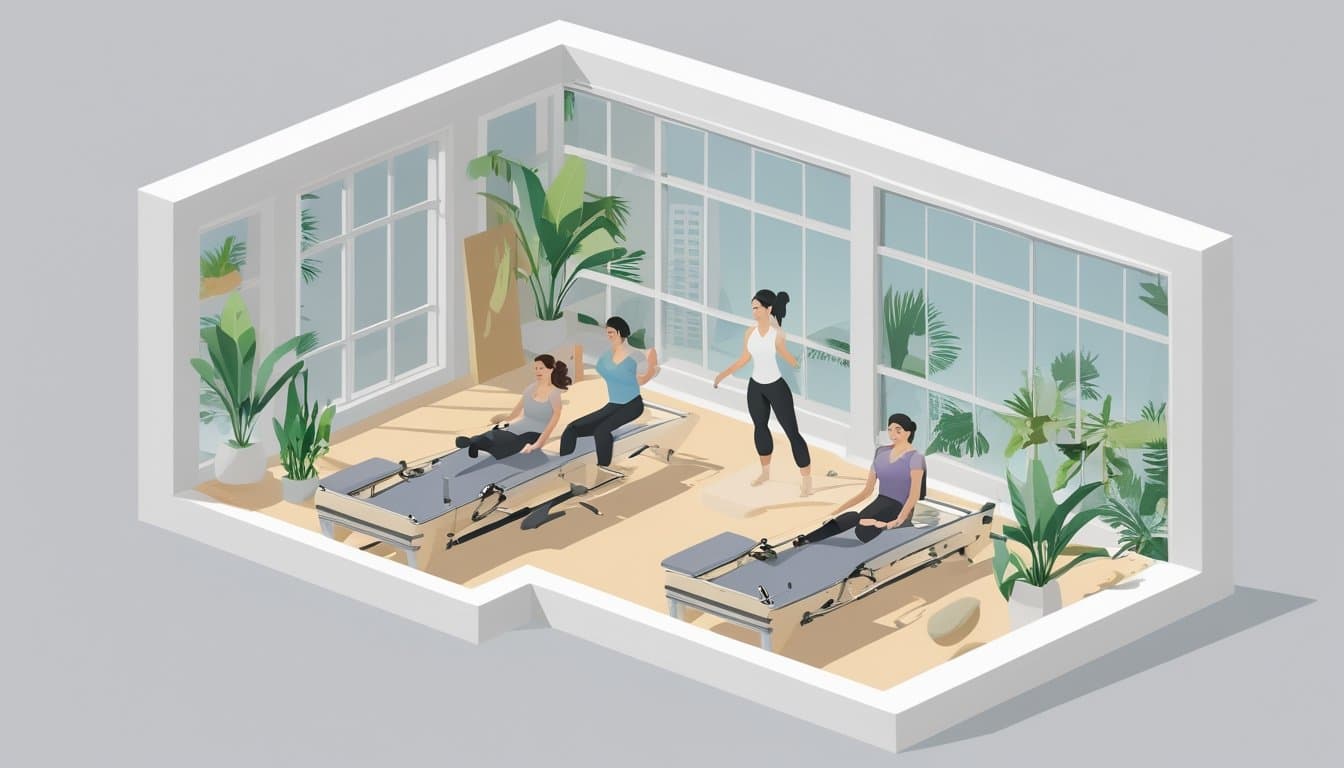
Reformer Pilates uses a sprung carriage, ropes and adjustable resistance to guide controlled, low-impact movements. Unlike mat Pilates, the reformer adds variable tension and support, making exercises scalable from rehabilitation-level to athletic conditioning. The method traces back to Joseph Pilates but has been adapted into contemporary systems taught by certified instructors (Pilates Method Alliance, 2026).
For broader movement context, it helps to compare it with other low-impact practices such as reformer pilates, which many KL studios now position as a structured strength-and-mobility option.
Core benefits
Strength, posture and core control
Reformer Pilates emphasises alignment and muscle balance. The carriage resistance forces precise recruitment of deep stabilisers, which translates into improved posture and functional strength — useful for desk-bound KL commuters and manual workers alike (Harvard Health Publishing, 2026). For a general wellness reference, see the NHS exercise guidance.
Mobility, flexibility and joint health
Controlled, full-range movements on the reformer increase joint mobility with lower joint load compared with traditional weight training. This makes the reformer a practical option for older adults and those recovering from certain injuries, provided they follow professional guidance (NHS, 2026).
Rehab-friendly and low-impact conditioning
Because exercises can be adjusted to reduce pain-provoking mechanics, reformer Pilates is frequently used alongside physiotherapy to rebuild strength without aggravating conditions. That said, individual suitability should be cleared by a clinician when necessary (Pilates Method Alliance, 2026).
Who should try it — and who should be cautious?
Ideal candidates
Reformer Pilates suits those seeking a smarter strength routine: people with postural complaints, athletes wanting cross-training, dancers, pregnant women (with specialised classes) and individuals recovering from non-acute injuries. The adjustable resistance makes it accessible for a wide fitness range.
When to consult a healthcare professional
Certain conditions — unstable cardiac disease, uncontrolled hypertension, acute fractures, or severe osteoporosis — warrant medical clearance before using reformer equipment. A short chat with a GP or physiotherapist avoids unnecessary setbacks.
What to expect in a KL reformer class
Typical class structure
Classes usually begin with warm-up breathing and pelvic alignment, progress through standing and supine sequences on the reformer, and finish with mobility work. Group classes balance instruction with hands-on adjustments; private sessions are more technical and tailored.
Equipment, safety and hygiene
Studios in KL operate modern reformers with adjustable springs and headrests. Cleanliness and routine maintenance are important — look for well-padded straps and tidy studios. Instructors will demonstrate safe transfers on and off the carriage and cue modifications for common issues.
Progression and expected timeline
Beginners often feel muscular activation after a few sessions and measurable strength or posture changes within 6–12 weeks when attending regularly. Progress depends on session frequency, instructor quality and individual starting points.
How to choose a Reformer Pilates studio in KL
Credentials and instructor experience
Seek instructors with recognised certifications (for example, comprehensive reformer training or international programmes) and a background in anatomy or rehabilitation. A safe studio will welcome questions about instructor qualifications and continuing education.
Class sizes, scheduling and studio vibe
Smaller class sizes mean more personalised attention. Consider peak-hour availability, proximity to public transport or parking, and whether the studio environment — clinical, boutique, or community-focused — matches the user’s comfort zone.
Trial classes and reviews
Many KL studios offer trial sessions or packages. Reading recent reviews and asking for a short demonstration during a visit are practical ways to evaluate teaching style and equipment condition before committing.
Cost, packages and etiquette
Typical pricing in KL
Prices vary by location and format: single group classes commonly fall within a moderate range, while private sessions cost more due to one-on-one attention. Many studios offer class bundles or monthly passes that reduce the per-session cost. Prospective clients should compare value rather than picking purely on price.
Booking, cancellations and class etiquette
Book in advance for popular time slots and respect cancellation policies to keep continuity for instructors and classmates. Arrive slightly early, wear comfortable exercise wear (no zippers that could catch equipment), and communicate injuries or discomfort to the instructor before class begins.
Practical tips to get the most from Reformer Pilates in KL
Before class
Hydrate, avoid heavy meals within an hour, and wear form-fitting but flexible clothing. A brief note of current aches helps the instructor modify exercises safely and efficiently.
During and after class
Focus on quality over quantity: controlled repetitions matter more than speed. Keep a simple progress log — date, focus areas and perceived exertion — to track improvements. Post-class mobility and light stretching aid recovery, and regular attendance produces the best results.